Checkout our work

Parkar



Back
Back
Back
Your website doesn't have a traffic problem. It might have a messaging problem.
You have invested in a professionally designed website. Your SEO strategy is bringing in organic traffic, LinkedIn posts are generating clicks and paid campaigns are driving visitors to your landing pages. Yet your contact form receives only a handful of submissions, demo requests remain inconsistent and potential customers leave your website without taking the next step.
Many B2B companies assume the problem lies in generating more traffic. While attracting visitors is important, traffic alone doesn't guarantee business growth. If people arrive on your website but fail to convert, the issue often isn't visibility, it's communication.
Your website copy is responsible for answering the questions every prospective customer has before deciding to engage with your business:
If your messaging is vague, overly technical or focused entirely on your company instead of your customers, you are making prospects work to understand your value. In a competitive market, most won't bother. That's the visitor you lose before your sales team ever hears about them.
A beautiful website captures attention. Strong copy turns that attention into qualified conversations.
For B2B businesses, where buying decisions involve multiple stakeholders, larger investments and longer sales cycles, copywriting is not about clever slogans or catchy headlines. It's about creating clarity, building confidence and guiding prospects toward becoming qualified leads.
Unlike consumer purchases, B2B buying decisions are rarely impulsive. Before reaching out to a vendor, buyers often spend weeks researching solutions, comparing competitors, reading case studies and evaluating potential risks. By the time they contact your sales team, they have already formed an opinion about your business.
Much of that opinion is shaped by your website.
For most B2B buyers, your website is the first and sometimes only interaction they have with your company before they are willing to speak with sales.
If your messaging is vague, overly technical or focused entirely on your business instead of your customer's challenges, you are creating unnecessary friction. Buyers who can't quickly understand your value proposition are unlikely to spend more time trying to figure it out.
Effective copywriting removes uncertainty. It helps visitors understand what you do, why it matters and why your solution is worth considering.
B2B copywriting is not about selling products; it's about solving business problems.
Decision-makers are not buying software because it has advanced features. They are buying efficiency, cost savings, productivity, security or revenue growth. Your copy should emphasize those outcomes instead of simply listing capabilities.
Consider these examples.
Weak copy:
“We provide AI-powered customer engagement solutions.”
Stronger copy:
“Reduce customer response times by up to 40% using AI-powered support automation that integrates with your existing workflows.”
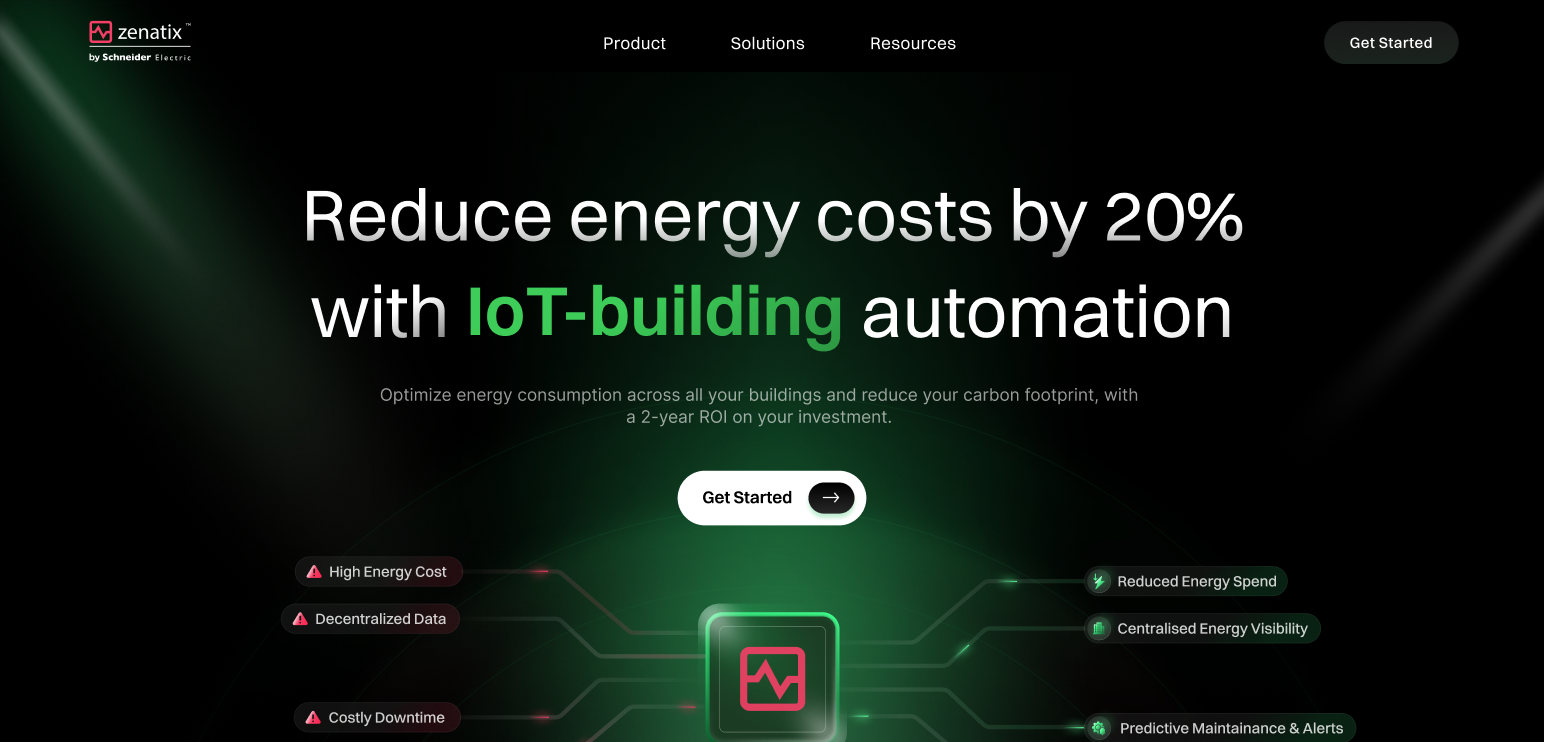
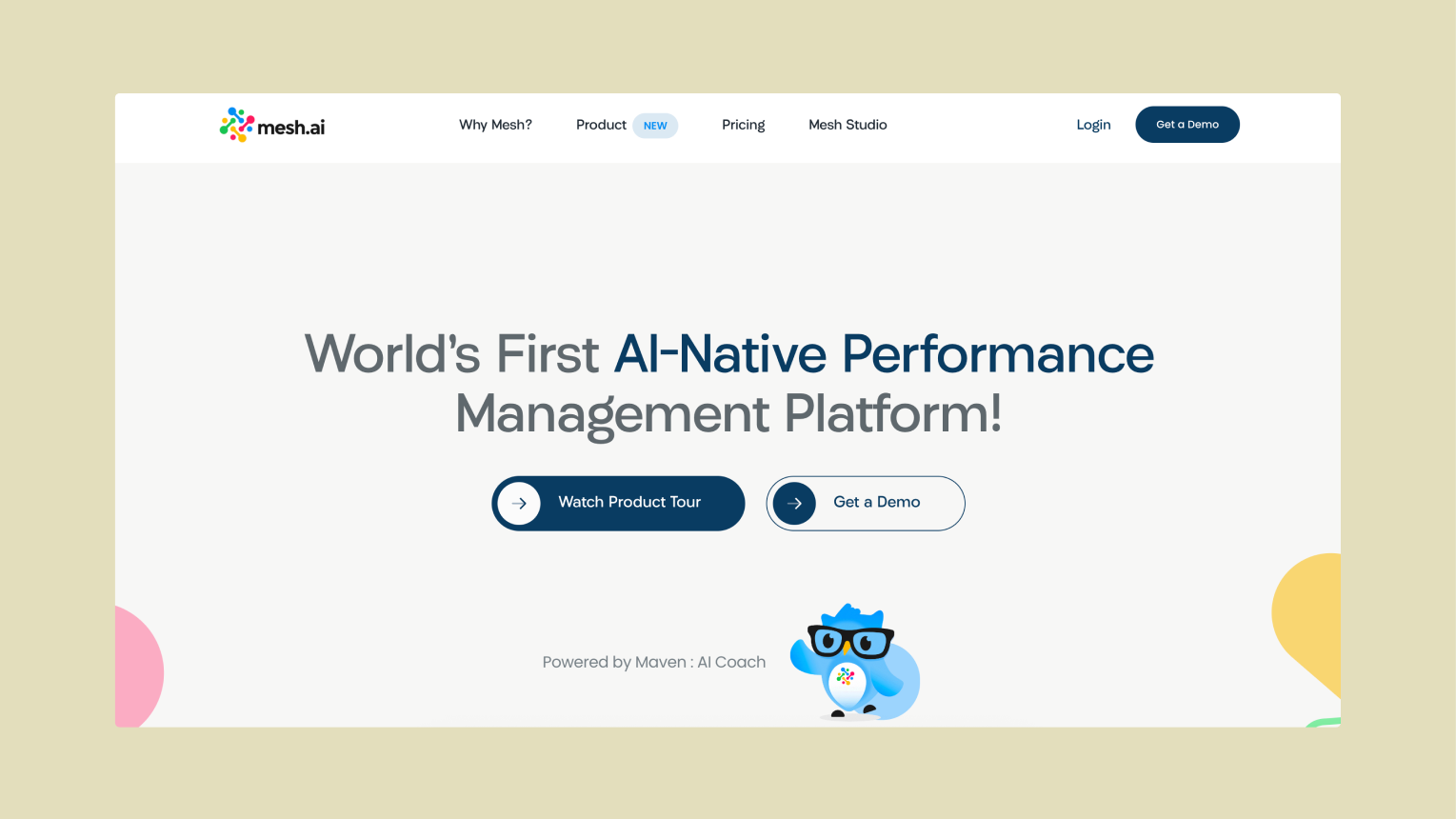
Both statements describe the same product. The difference is that the second explains why the product matters to the buyer.
Every sentence on your website should help visitors answer one question:
"How will this improve my business?"
Many B2B homepages begin with statements like:
“We are a leading provider of innovative business solutions with over 20 years of experience.”
While experience matters, it is not what visitors are looking for first.
Prospects arrive on your website because they are trying to solve a business problem. They may want to generate more leads, improve operational efficiency, reduce costs or streamline internal processes. If your opening message focuses on your company instead of those challenges, you have missed the opportunity to establish relevance.
For example, instead of saying:
“We provide cloud migration services.”
Write:
“Move your business to the cloud with minimal downtime and improved security.”
The second version immediately communicates value from the customer's perspective.
Open with the reader's problem. "We" can wait for paragraph two.
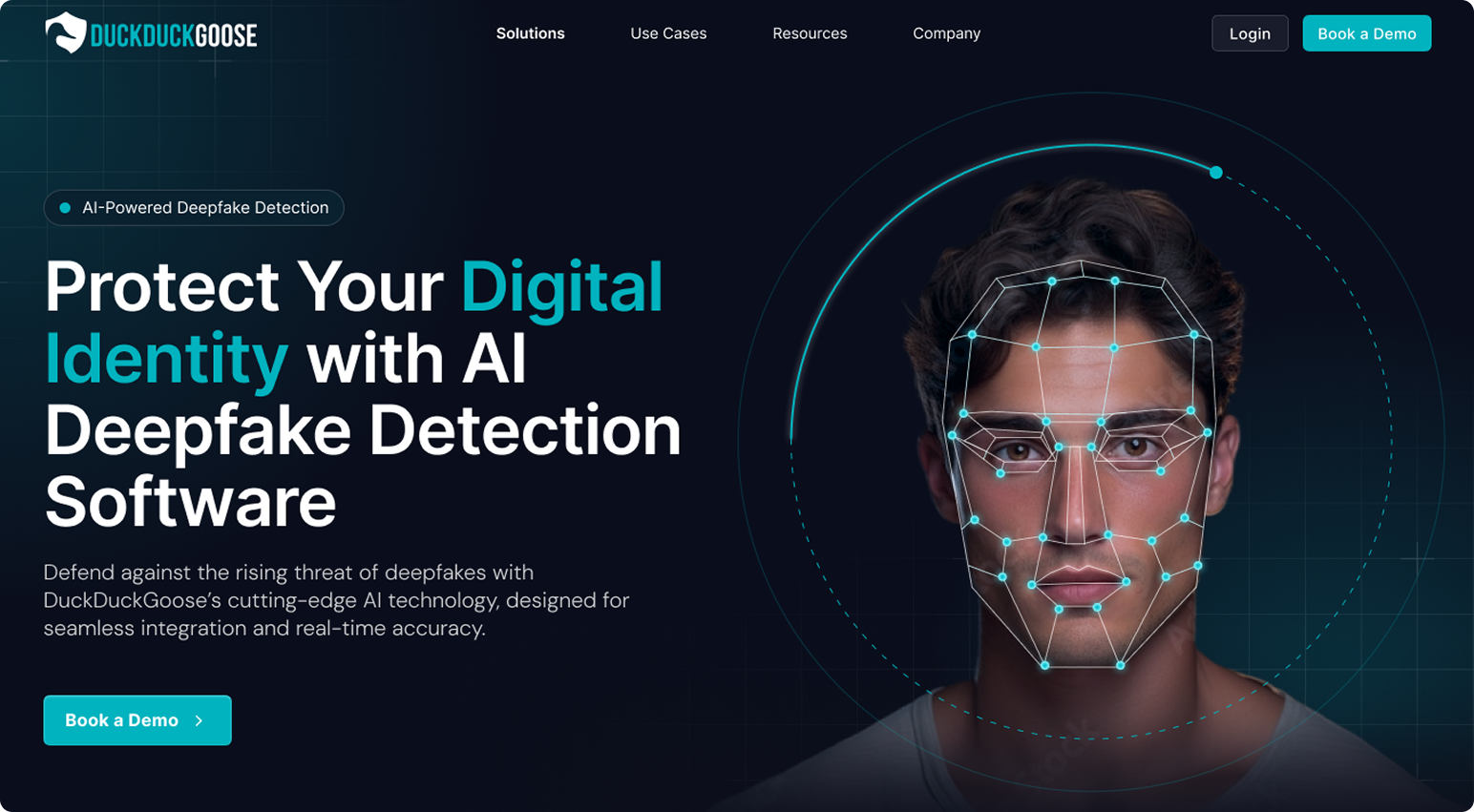
Website visitors don't read every word. They scan.
Within seconds of landing on your website, they are deciding whether your business is relevant to their needs. Your headline should immediately answer three questions:
Generic headlines such as Innovative Digital Solutions, Future-Proof Your Business or Transforming Industries Through Technology sound polished but communicate very little.
A headline like:
“Manufacturing Software That Reduces Downtime and Improves Production Efficiency”
gives visitors a clear understanding of both the solution and the expected business outcome.
If your headline could describe ten different companies, it probably is not specific enough.
Every industry has its own terminology, but that doesn't mean your website should sound like an internal presentation.
Words such as innovative, robust, cutting-edge and world-class appear on thousands of B2B websites. They have become so common that they rarely help buyers differentiate one company from another.
Instead, use the language your customers already use.
Review sales calls, customer interviews, support conversations and testimonials. Pay attention to how prospects describe their frustrations.
If customers say:
“Our team spends hours updating spreadsheets every week.”
Reflect that language back to them:
“Automate repetitive reporting so your team spends less time updating spreadsheets and more time serving customers.”
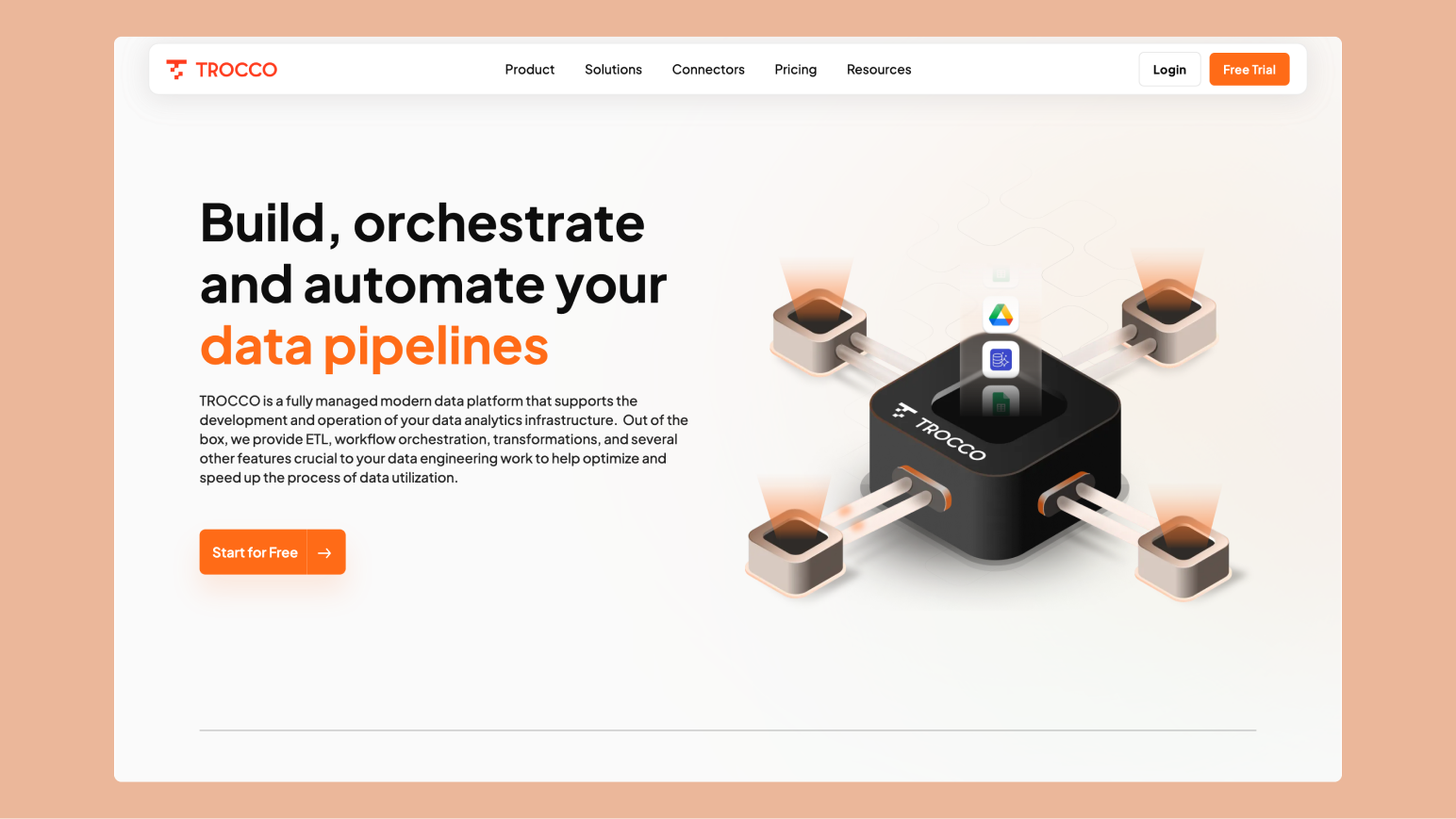
Clear, familiar language reduces cognitive effort and helps buyers recognize that you understand their day-to-day challenges.
One of the most common copywriting mistakes is assuming customers care about features before understanding their value.
Features explain what your product does.
Benefits explain why it matters.
Imagine you are promoting a CRM platform.
Rather than listing features like automated workflows, custom dashboards, AI reporting and third-party integrations, explain what those capabilities achieve.
Automation reduces manual work. Dashboards help teams make faster decisions. Reporting uncovers revenue opportunities. Integrations eliminate repetitive tasks across systems.
A practical exercise is to ask yourself one question after every feature:
"So what?"
Keep answering until you arrive at a measurable business outcome.
Ask "so what?" until you land on a number a CFO would circle.
Requesting a demo before establishing credibility is asking buyers to commit before they have seen enough evidence.
Every claim on your website should be supported by proof.
Instead of saying you're an industry leader, demonstrate it through customer testimonials, measurable results, certifications, awards or detailed case studies.
For example:
“Helped a manufacturing company reduce manual reporting by 65%, saving more than 300 hours annually.”
Specific evidence is significantly more persuasive than broad marketing claims because it allows buyers to visualize similar outcomes for their own business.
That's why social proof should appear throughout your website instead of being confined to a single testimonials page.
Many B2B websites rely on generic CTAs like:
These buttons tell visitors what to do, but not what they'll receive.
Instead, make the next step explicit.
Examples include:
Supporting copy can reinforce the value.
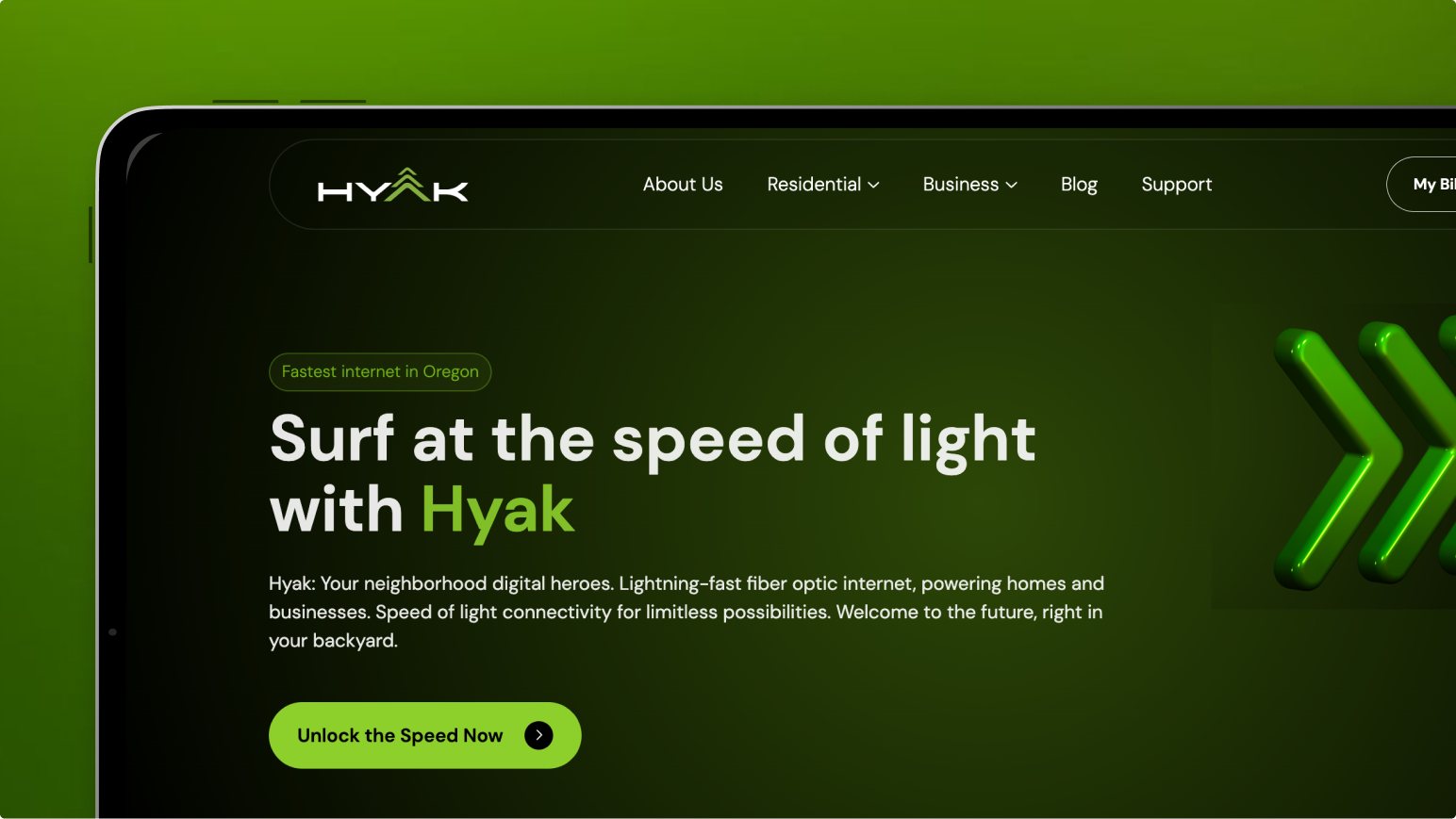
Book a free consultation and identify the biggest opportunities to improve your website's conversion rate.
Visitors are far more likely to click when they understand exactly what happens next.
Every buyer has concerns.
Don't leave these questions for the sales team to answer.
Explain your process, outline implementation timelines, showcase customer success stories and address common objections directly on your website.
Reducing uncertainty earlier in the buying journey makes it easier for prospects to move forward with confidence.
Even the strongest copy loses its impact if it's difficult to read.
Most visitors scan websites looking for relevant information rather than reading every sentence. Structure your content to support that behavior.
Use:
Large walls of text increase cognitive load and make it harder for visitors to identify what matters most.
Well-structured content helps readers find answers quickly, which improves both engagement and conversion.
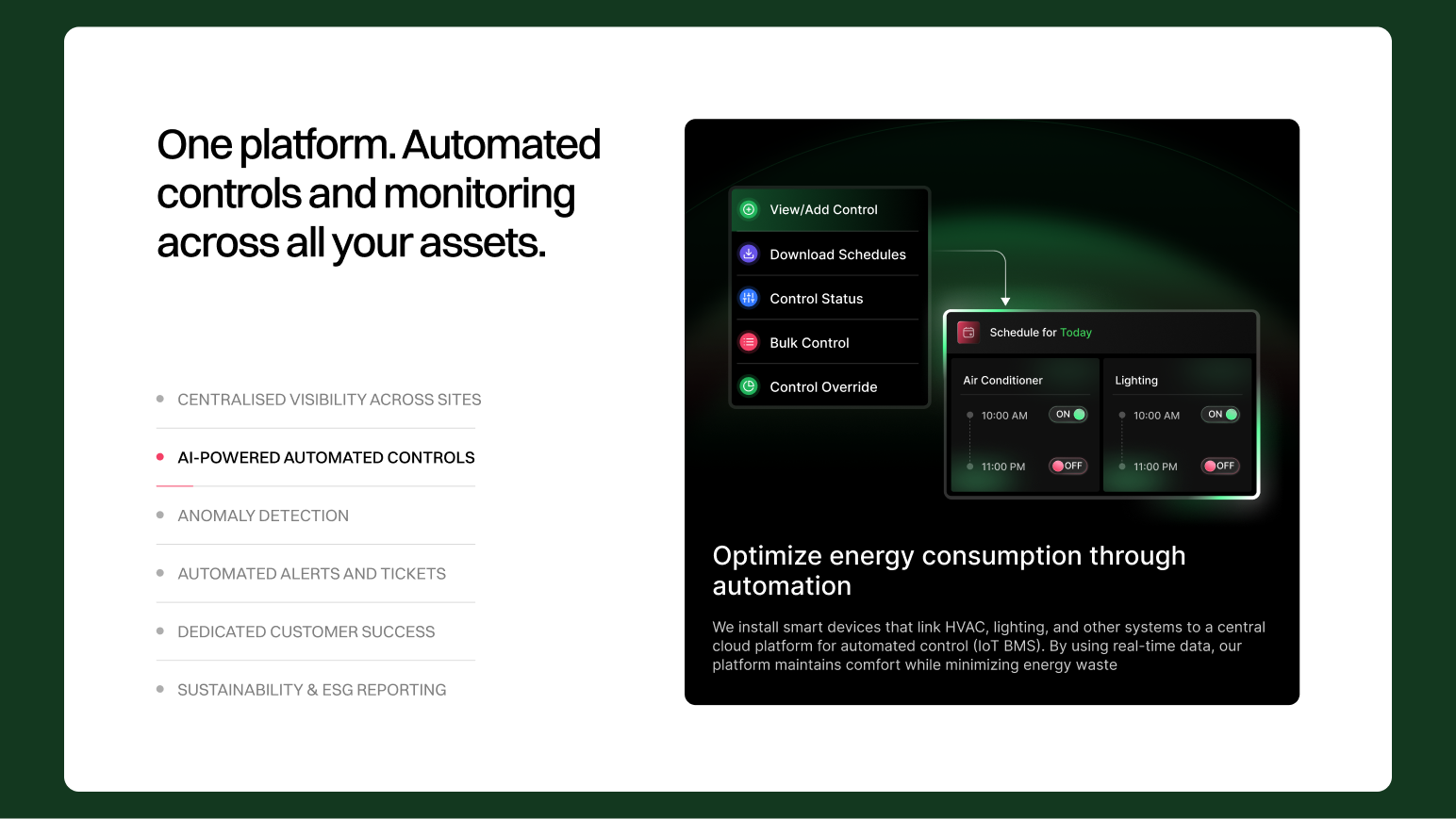
Many websites lose potential customers because of avoidable messaging issues, including:
None of these problems necessarily require a complete website redesign. In many cases, refining your messaging can produce meaningful improvements in conversion rates.
Before publishing any page, ask yourself:
If any answer is "no," revisit the page before publishing.
Effective B2B copywriting gives buyers the confidence to take the next step. It removes uncertainty, demonstrates value and answers the questions that influence purchasing decisions long before a sales conversation begins.
Review your highest-traffic pages with fresh eyes. If a visitor can't understand what you do, why it matters and what they should do next within the first few seconds, your messaging, not your traffic is likely holding back conversions.
Prospects hire the company whose website already understood the problem before the sales call started.

The journey’s just as exciting as the destination. So, what are you waiting for? Let’s hit the gas.